Why are possum fur blankets and throws so expensive?
This is a valid question and there are a lot of components to the answer. The best way to explain is to consider the steps needed to make a possum throw or blanket, and then what it takes to get the finished product into the marketplace.
The steps involved in making a possum fur throw or blanket.
Step one: Getting possum skins from the bush.
The best furs are collected in autumn and winter. So this is a seasonal business, even though fur is plucked for
possum merino knitwear all year round. The really good large furry possums will be in the more remote cooler areas. Some areas can only be accessed on foot (after a long 4-wheel drive) or by helicopter.
Possum trappers need to tramp into the bush and make camp, then spend a week or two setting traps, go back every day walking up and down mountains to check the traps and collect the skins. When they have enough, they tramp out of the bush again or meet the helicopter. The skins need to be preserved with salt and stored. This process will go on for months before the trappers have enough to sell to the fur agents.
Note: The tanneries must pay top dollar for the best quality possum fur skins, otherwise the trappers will not bring them out of the bush. It is much easier and cleaner for the trappers to simply pluck the fur to be used to make possum merino knitwear. The price for plucked fur reached record highs per kilo last year due to China buying as much plucked fur fluff as they can get access too. This drives up the price for the local market.
Step two: The tannery processes, grades and tans the skins
Once the tannery buys the skins they start a very labour intensive process to preserve them. First they sort by colour and size. And then grade for quality and store until needed.
As orders come in they tan a large drum of skins to fulfil each order. Each batch takes about 1-2 weeks to complete and involves about 60 steps; most of these steps are manual labour, wet, messy, smelly and generally very unpleasant. Once tanned they comb out fur knots, clean and iron, re-sort, re-grade and despatch or store until needed.
Tanneries need to hold a large amount of skins in various stages of processing, including a large fur vault with hundreds of thousands of dollars worth of finished furs. There are about 13 official natural possum fur colours and each colour is used to make a different product or dyed colour like
black or
red for example.
Note: The cost of the tanning chemicals has increased worldwide in the last few years. We suspect this may be linked to the cost of oil in some way? This has affected all leather industries worldwide.
Step three: A professionally trained furrier crafts the possum throw or blanket
Making a possum
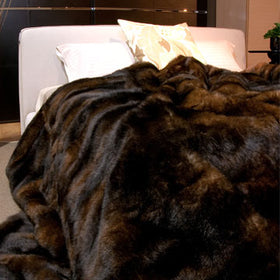
blanket is not as simple as just cutting and sewing. If it is done right there is a lot more work involved. When the furs arrive they need to be checked, and then dampened and lightly stretched and pined to boards to dry. Then they remove any naturally occurring faults in the fur (like re-growth). Grade the fur and blend the furs so that they all go together nicely. Trim them and sew them together to a very specific size, finally they line with a quality fabric backing. This process takes about 1 week per
blanket or
throw.

Note: Not all people who own a fur machine are furriers. To become a qualified furrier takes years of specialist training and experience.
Step four: Getting a possum throw or blanket into the marketplace
Placing a product in front of the consumer also has costs. Simple things like freight need to be factored into a product costing. Retailers have expenses like shop rent and staff wages, insurance, rates, Eftpos rental (online payment facilities), power, phone, web hosting and advertising. Product photography is probably one of the most important things when selling a tactile luxury product online and this all adds to the final price of a possum
throw and
blanket.
Conclusion
So that is a simplified account of the steps it takes to make a possum
throw or
blanket and the people involved to bring it to the consumer. Every step of the process is very labour intensive. Once all the factors are considered we hope that the true value of talented and skilled craftspeople that make these wonderful products will be better appreciated.
Yes there are a lot of possums in New Zealand and we want to control the numbers to help
save the native bush but that doesn’t make fur a cheap commodity. Someone still needs to put in the hard work and deal with the mess. Thankfully the possum fur industry employees a lot of New Zealanders. And the public get to see and enjoy the
beautiful end result.